

accident

Suing for Injuries When You’re Partly at Fault: A Quick Guide

Accidents happen, and sometimes they leave us with more than just a few bruises. If you’ve been injured but find yourself partly at fault, you might wonder if you still have a chance to claim compensation for your injuries. Fortunately, your personal injury lawyer holds the answer you need.

Many states recognize comparative negligence laws, which means you may still be eligible for damages even if you share some responsibility for what occurred. So if you’re being skeptical about it, read on. Let’s explore how your level of fault affects potential payouts because knowing your rights can make all the difference on the road to recovery.

Comparative Negligence Laws in Your State

Every state has its own rules regarding comparative negligence. These laws dictate how fault is assessed in personal injury cases. Some states follow a “pure” comparative negligence rule. This means you can recover damages even if you’re 99% at fault. Your compensation will simply be reduced by your percentage of blame. Other states use a “modified” approach, with variations on the specifics. In some places, if you’re found to be more than 50% responsible, you can’t collect anything for your injuries. It’s essential to know where your state stands. Familiarizing yourself with these laws helps shape your strategy when pursuing compensation after an accident.

How Fault Percentages Affect Your Payout

Fault percentages play a crucial role in determining your payout after an accident. In many states, the principle of comparative negligence applies. This means that if you share some blame for the incident, your compensation may be reduced according to your percentage of fault. For example, imagine you’re awarded $100,000 but found to be 20% responsible for the accident. Your final payout would then decrease by that 20%, leaving you with only $80,000. This system encourages fair assessments based on each party’s responsibility. It also emphasizes the importance of gathering evidence and presenting a clear picture of what happened.

compensation

Examples of Shared Fault Scenarios

Imagine two cars colliding at an intersection. One driver runs a red light while the other is speeding through a yellow that turns red just moments before impact. Both share fault in this scenario. Consider a cyclist riding on the sidewalk who gets hit by a car making an illegal turn. The cyclist could be found partly responsible for being on the sidewalk instead of the road, even though the driver acted negligently. In another case, suppose someone slips and falls in a grocery store after ignoring wet floor signs. Their choice to disregard safety warnings can limit their compensation despite the store’s negligence. These situations highlight how multiple factors contribute to accidents. Each party may have played a role, complicating liability and claims processes significantly.

Evidence to Prove the Other Party’s Greater Responsibility

To claim compensation, you must establish that the other party bears more fault. Gathering compelling evidence is crucial for this process. Start by collecting accident reports. These documents often detail how the incident unfolded and indicate liability. Police reports can also highlight reckless behavior or violations of traffic laws. Witness statements are invaluable. Eyewitnesses can provide an unbiased perspective on events leading to the injury. Their accounts may decisively shift blame away from you. Photographic evidence plays a significant role too. Images of the scene, damage, or injuries help illustrate circumstances clearly.

How Lawyers Negotiate Around Partial Fault

One key approach is understanding the comparative negligence laws in their state. These laws dictate how blame and compensation are divided among parties involved in an accident. Lawyers often start by gathering comprehensive evidence that highlights the other party’s larger share of responsibility. This can include eyewitness testimony, police reports, and expert analysis. By strengthening their client’s position with solid proof, they can effectively counter any claims made against them. With their expertise, they always aim to maximize the payout for their clients while minimizing their own liability exposure.…
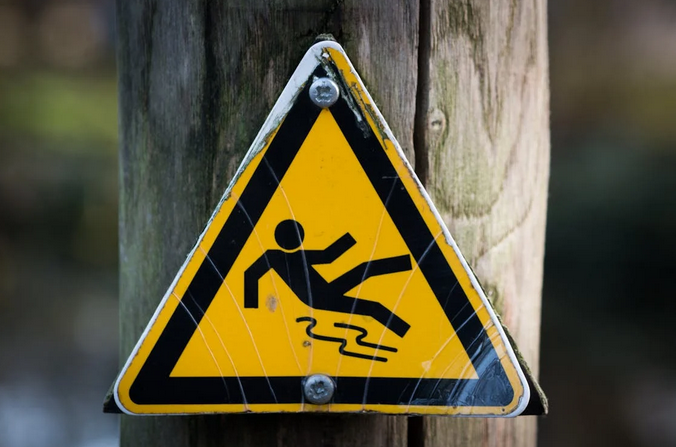

signs

Seeking Justice: How to Prove Fault in a Personal Injury Case

In the blink of an eye, life can take an unexpected turn. Whether it’s a slip and fall accident, a car collision, or any other personal injury incident, seeking justice becomes paramount. But how do you prove fault in such cases? Join us on this enlightening journey as we delve into the crucial steps to establish negligence and hold the responsible party accountable for their actions. Let’s uncover the key strategies to ensure your path to justice remains clear and steadfast.

Establish Negligence

Establish Negligence

When it comes to proving fault in a personal injury case, establishing negligence is the cornerstone of your argument. But to do so, an expert must be part of your team. Personal Injury Lawyer is one of the best in helping clients prove negligence, so be sure to inquire. They have worked with numerous clients, and their experience has helped them understand how to prove negligence.

Negligence refers to the failure to exercise reasonable care that ultimately leads to harm or injury. This can include actions such as reckless driving, failing to maintain safe premises, or not following proper safety protocols. To prove negligence, you must demonstrate some key elements.

Document the Damages

When it comes to proving fault in a personal injury case, documenting the damages is crucial. This step involves gathering evidence of the physical, emotional, and financial impact of the incident. Medical records that is detailing your injuries and treatment are essential in demonstrating the extent of harm caused. Photographs of visible injuries can also be compelling visual evidence. Keep track of all expenses related to your injury, such as medical bills, medication costs, and lost wages. These documents will help quantify the monetary damages incurred.

Consult With Experts

When it comes to proving fault in a personal injury case, consulting with experts can be a game-changer. These professionals bring specialized knowledge and experience to the table that can strengthen your case significantly. Experts such as medical professionals, accident reconstruction specialists, or financial analysts can provide valuable insights and evidence to support your claims. Their expertise can help in establishing the extent of your injuries, demonstrate how the accident occurred, or calculate the financial impact of the damages you have suffered. By working closely with these experts, you will ensure that all aspects of your case are thoroughly analyzed and supported by credible evidence. This collaboration not only bolsters your argument but also adds credibility and weight to your claim in front of a judge or jury.

Prove Causation

family

Proving causation in a personal injury case is crucial to establishing fault and seeking justice. It involves demonstrating that the defendant’s actions directly caused the plaintiff’s injuries. This can be complex, requiring evidence such as medical records, expert testimonies, and accident reconstruction reports. Connecting the dots between the defendant’s negligence and the harm suffered by the plaintiff requires a thorough investigation. By showing how one led to the other, you strengthen your case significantly.

Adhere to Legal Deadlines

When pursuing a personal injury case, adhering to legal deadlines is crucial. Missing a deadline could significantly impact your ability to seek justice and compensation for your injuries. Legal deadlines are in place to ensure that cases move forward efficiently and fairly. Failing to meet these deadlines may result in your case being dismissed or delayed, ultimately affecting the outcome. It’s essential to work closely with your legal team or attorney to stay informed about all upcoming deadlines related to your personal injury case.

In your pursuit of justice, know that you are not alone. By taking proactive steps to prove fault in your personal injury case, you are advocating for yourself and holding responsible parties accountable for their actions. Stay focused on your goal, trust in the legal system’s ability to deliver justice, and remain steadfast in your pursuit of what is rightfully yours. May your journey towards seeking justice be met with success as you …